




Posh – Create & Find Events review
 Analysis by GetAllApps
When I first tried Posh, I approached it as a way to find something worth going out for, not as another social feed to check all day. That distinction matters: this is an events app, so its usefulness depends on whether it helps you turn a vague “we should do something” into a plan you and your friends will actually follow. My early impression was that it feels most appealing when I have a particular night, occasion, or group in mind. Its longer-term value is less about constant novelty and more about whether local events keep giving me a reason to return.
From a quick browse to a real plan
Posh – Create & Find Events is made by Posh and sits in the events category. The basic idea is easy to understand: use the app to connect with eventgoers and organizers, whether you are looking for something to attend or putting an event together yourself. That two-sided purpose gives it a different feel from a calendar app, which records plans you already have, or a group chat, where event details can disappear under unrelated messages.
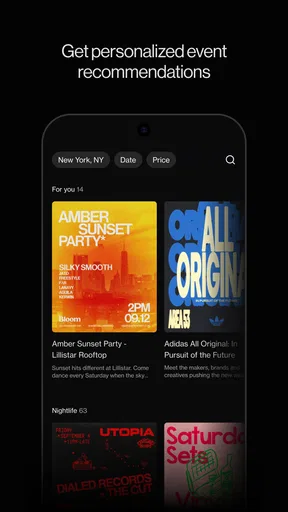
The first-week appeal is strongest when you are open to discovering something but still want a practical next step. Browsing can help shift the question from “What should we do?” to “Which of these options suits our evening?” I find that kind of discovery more useful when I already know my constraints: how far I want to travel, what sort of atmosphere sounds good, and whether I am planning alone or with other people. A broad feed is a starting point, not a substitute for deciding what works.
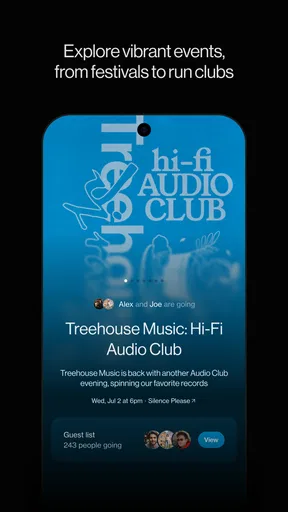
The app’s audience is a meaningful part of its pitch. Posh says it connects an ecosystem of over five million eventgoers and organizers. That gives the service a community-oriented identity, though the value I get still depends on what is happening in the places and scenes I care about. A large overall network does not automatically mean a suitable event is nearby or available on the night I am free, so I would treat it as a discovery tool rather than a guarantee of a full calendar.
One practical way to use it is to browse before a weekend becomes urgent. If I wait until everyone is already asking for ideas, I have little time to compare options or coordinate. Looking earlier lets me bring a concrete suggestion to the group and discuss it, instead of sharing a string of vague possibilities. That is a small workflow change, but it can make an event app feel more useful than simply scrolling through listings.
For organizers, the appeal is the chance to put an event in front of people who are already interested in going out. I would see that as most useful for someone who wants an event presence beyond a private message thread. Still, being able to publish or promote an event is only one part of organizing: choosing a suitable time, communicating expectations, and keeping attendees informed remain human responsibilities. Posh can support the connection, but it cannot make a plan thoughtful on your behalf.
Where it fits among the usual alternatives
Compared with searching social media, Posh is more focused on events rather than a mixed stream of personal updates, videos, and recommendations. That focus can reduce the effort of finding something relevant. A general search engine, meanwhile, may be better when I already know the venue or event name and want a direct answer. A calendar is better for managing confirmed commitments, while a messaging app remains the natural place to settle details with friends.
I would not replace all of those tools with Posh. The most sensible arrangement is to use it for discovery or event-related connections, then rely on whichever calendar and conversation tools your group already checks. That avoids a common planning problem: assuming that because an event is visible in one app, everyone has actually seen the details. If the group is indecisive, sharing one strong option is usually more effective than sending a long list and expecting the app to settle the debate.
What makes it worth returning to
After the initial curiosity wears off, an events app has to earn a place through recurring occasions. Posh is likelier to become part of my routine if I go out regularly, help organize gatherings, or enjoy discovering events beyond the same familiar venues. If I only attend something once in a while, I may have no reason to open it between those plans. That is not a flaw unique to Posh; it is the nature of a tool whose value rises and falls with a person’s social calendar.
I would use a simple habit rather than checking it constantly: look when I am beginning to plan a particular week or occasion, then stop once I have a workable shortlist. This keeps discovery connected to a real decision. It also makes it easier to judge whether the app is adding value: did it surface an option I would otherwise have missed, or help me organize an event more clearly? If the answer is repeatedly no, opening it out of habit is unlikely to change that.
For someone who hosts, recurring value can come from treating the app as one part of a repeatable planning routine. Decide what the gathering is for, settle the essential details, and then use the event platform to reach the people who might care. The non-obvious trade-off is that a public-facing event can widen the circle, but it can also require clearer communication than a casual private invitation. I would be deliberate about what attendees need to know before sharing anything broadly.
For attendees, I would also make a small check before committing: confirm that the event matches the group’s budget, schedule, location, and preferred atmosphere using the information available in the app. Discovery can make an option feel exciting before the practical details have been considered. This is especially useful when friends have different expectations; agree on the basic constraints first, then browse together or bring back a short selection.
Keeping the app useful without making it a chore
Posh is free, which makes trying it low-commitment, but free does not mean it deserves unlimited attention. I would keep notifications and browsing habits purposeful rather than letting event discovery become another reason to check my phone. The app works best when it serves a decision I am already trying to make. If I am not looking for plans, I do not need to manufacture a reason to open it.
Its maintenance burden is therefore fairly personal. Someone who attends events often may find that checking for fresh possibilities is a natural part of planning. Someone with a settled routine may find that most weeks bring no need to browse. Organizers have a different kind of upkeep: an event page is only helpful if its information stays clear and the people involved know where to find updates. That ongoing attention belongs to the organizer, not to the app alone.
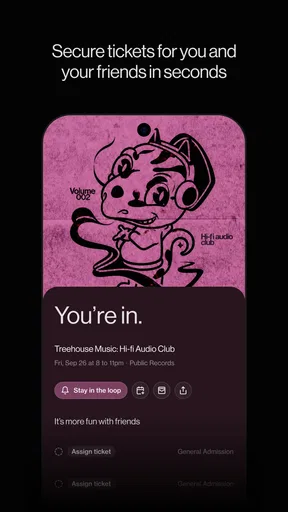
One useful boundary is to separate discovery from coordination. Use Posh to identify an event or present an organized plan, then tell the group exactly what decision is needed: whether they are interested, whether the time works, or whether another option is better. This avoids turning the app into a second, fragmented group chat. It also helps prevent an event listing from being mistaken for confirmation that the whole group is attending.
Another trade-off is that discovery can broaden your options while making it harder to choose. I would limit the search to a few sensible candidates instead of trying to inspect every possibility. If nothing fits, that is useful information too: the group can choose a familiar activity rather than spending the evening searching. An events platform should reduce planning friction, not create a new obligation to find the perfect outing.
Who may tire of it
The main source of fatigue is likely to be mismatch between what a person wants and what they encounter. If your preferred events are uncommon in your area, or you usually make plans through a close-knit group, the app may feel more optional than essential. The same goes for people who prefer quiet, spontaneous evenings and do not want event discovery to become a regular routine. In those cases, a calendar, local search, or direct messages may be enough.
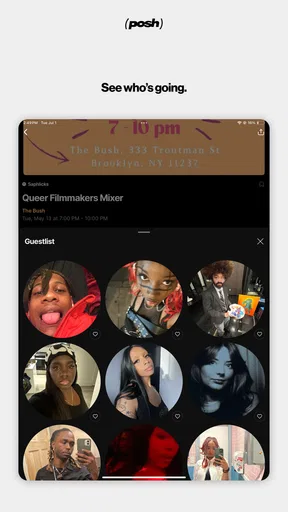
There is also a difference between browsing and belonging. Seeing an event does not guarantee that it will feel right for you, and a broad community does not remove the need to judge an occasion on its own terms. I would not use social proof alone as a reason to go. Think about whether the event itself suits your interests and whether the practical arrangements work for you.
The app has a Teen content rating, so it is presented for teen audiences as well as adults. That rating is useful context, but it does not replace ordinary judgment about which events are appropriate for a particular person. I would encourage younger users to make plans with the same care they would use for any offline gathering, including checking the details and involving a trusted adult when that makes sense.
On Google Play, Posh has an average rating of 4.8 from around 2,400 ratings, alongside 165 written reviews, and has passed 100,000 installs. Those figures suggest that many people have found a reason to use it, but they cannot tell me whether its event mix matches my own habits. I would give more weight to trying it for a specific planning need than to assuming that a strong overall score guarantees personal fit.
My verdict after the novelty fades
Posh earns a place on my phone when I am actively looking for events or want a dedicated way to connect an event with its audience. It is less compelling as a daily destination for someone who rarely goes out or already has a dependable way to find local plans. Its best long-term role is a tool I return to at the right moment, not a feed I feel obliged to maintain.
The current version is 8.24.0, and the app requires Android 8.0 or later. It is free to install, which makes a trial straightforward for Android users whose devices meet that requirement. I would start by searching when I have an actual occasion in mind, then judge whether Posh offers useful options and makes the next step clearer. That is a more honest test than browsing without a purpose and expecting every event platform to become a habit.
Overall, I would recommend it to regular eventgoers, curious planners, and organizers who want an events-focused space rather than another general social feed. I would skip it if I want only a private calendar, if my plans rarely change, or if local discovery is not something I need. Posh’s lasting value comes from turning interest into a real outing; when it does that reliably for your own routine, it has earned its space. When it does not, there is no need to force the habit.
Pros and cons
Pros
- Event discovery helps users find activities beyond their existing social circle.
- Hosts can share event details with guests in one place.
- The app supports planning social gatherings and public events.
- Browsing events can help users find new local experiences.
- A dedicated event app keeps invitations separate from general social feeds.
Cons
- Event listings may be limited in smaller communities.
- Some events may require payment outside the app.
- Users may need to create an account to access key features.
- Event details depend on hosts staying accurate and up to date.
- The app is less useful for users who prefer private invitations.


